
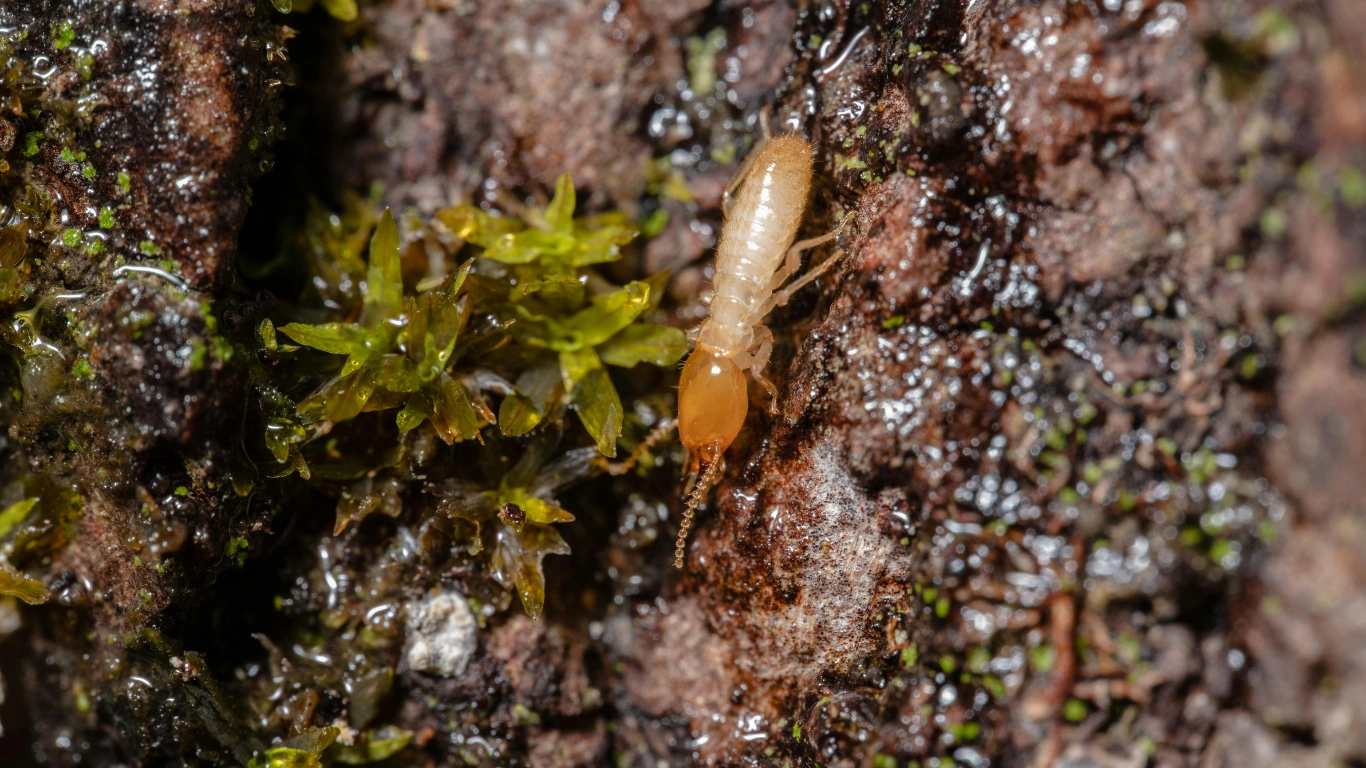
Late summer through early autumn (February to April) is one of the most active periods for termites in Victoria. While the major swarming events typically occur in spring and early summer, the warm days, humidity, and early‑autumn rains create perfect conditions for colony growth, feeding, and undetected structural damage.
For homeowners, businesses, and property investors, now is the ideal time to take preventative action and prepare before cooler weather pushes termites deeper into structures.
This updated action plan outlines practical steps to help safeguard your property during Victoria’s late‑summer termite activity peak.
Why Termites Are Active in Late Summer & Autumn
Warm Weather + Moisture = Ideal Termite Conditions
In Victoria, February to April brings:
- Warm soil temperatures, perfect for subterranean termite movement
- Late-summer humidity, which helps termites stay hydrated
- Increased rainfall, especially in March and April
These environmental conditions allow subterranean termite colonies to feed aggressively and establish new satellite nests.
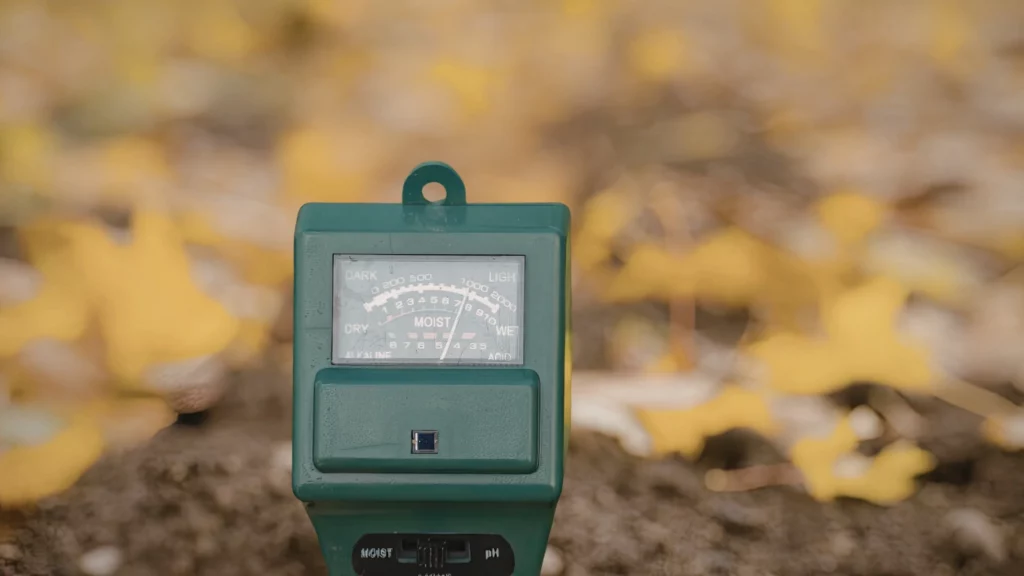
What This Means for Property Owners
Even though peak “swarms” tend to happen earlier (Oct–Dec), termite damage is often detected at this time of year. Colony activity intensifies, making it crucial to stay vigilant.
Step 1: Watch for Late-Summer Termite Activity
During February–April, property owners should look for:
- Mud tubes along foundations, brickwork, or stumps
- Soft, brittle, or hollow‑sounding timber
- Uneven or bubbling paint
- Sagging floors or doors that suddenly stick
- Clicking or tapping noises inside walls
- Live termites in soil or timber during yard work
Early detection can prevent extensive structural damage.
Step 2: Reduce Moisture Around Your Property
Moisture is still the #1 attractant for termites during late summer.
✔ Repair leaking taps, pipes, gutters, and hot water systems
✔ Improve drainage around the home
✔ Clear blocked gutters and downpipes
✔ Ventilate subfloors and reduce humidity
✔ Redirect stormwater away from the property
Even small plumbing issues can encourage termites to travel closer to your building.
Step 3: Remove Food Sources Before Autumn Rains
Late summer is a perfect time for outdoor cleanup.
✔ Store firewood away from the house
✔ Remove old stumps and rotting timber
✔ Keep mulch and garden beds back from foundations
✔ Trim vegetation touching exterior walls
✔ Use termite‑resistant or treated timber for repairs
Termites move quickly through gardens, retaining walls, and mulch beds — don’t give them a bridge into your home.
Step 4: Maintain Outdoor Timber Structures
Decks, pergolas, fences, and landscaping sleepers are all high‑risk.
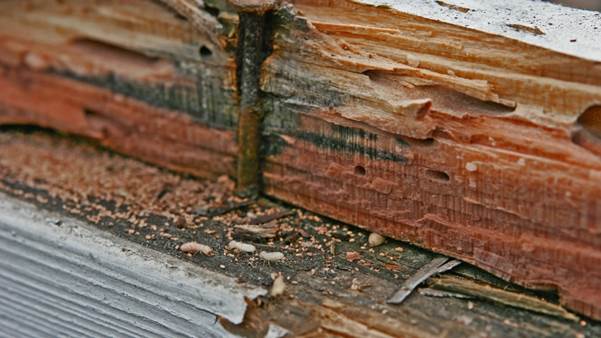
✔ Inspect for cracks, soft spots, or frass (termite residue)
✔ Seal or repaint exposed timber
✔ Ensure timber posts do not sit directly in soil
✔ Replace damaged or weathered sections promptly
Late summer is a great time for these jobs before weather cools.
Step 5: Book a Professional Termite Inspection
DIY checks help, but only a professional inspection can confirm termite presence and identify hidden risks.
A termite inspection in late summer allows professionals to:
- Detect active feeding tunnels
- Identify moisture zones attracting termites
- Assess vulnerabilities before autumn rains
- Recommend prevention or treatment options
If your last inspection was more than 12 months ago, now is the time.
Step 6: Protect Your Property with Professional Treatment Systems
For long-term defence, termite management systems offer reliable protection:
Chemical Barriers
Installed around the perimeter to stop termites entering the structure.
Baiting Systems
Target and eliminate entire colonies over time.
Soil & Timber Treatments
Protect high-risk zones and exposed structural elements.
Your technician can advise which system suits your property, soil type, and construction.
Step 7: Establish a Year‑Round Termite Prevention Routine
Termite prevention isn’t seasonal — it’s ongoing.
✔ Schedule annual (or biannual) inspections
✔ Check timber structures after heavy rain
✔ Maintain drainage and ventilation
✔ Refresh barrier or baiting systems as recommended
Staying proactive throughout the year is the most effective defence.
Why Businesses Should Act in February–April
Commercial properties in Victoria — including restaurants, offices, warehouses, and retail spaces — are equally at risk.
Termites can:
- Cause expensive structural damage
- Impact compliance and safety
- Disrupt operations
- Affect business reputation
A late-summer inspection is a smart move for risk management.
Final Thoughts
Late summer and early autumn in Victoria are critical months for termite activity. By reducing moisture, maintaining your outdoor structures, eliminating food sources, and booking a professional inspection, you can significantly reduce the risk of costly termite damage.
Don’t wait for visible signs — infestations often remain hidden until the damage is severe.
Book your termite assessment now to stay ahead of termite activity this February–April.
FAQs
Yes. Swarming slows after December, but February–April is one of the most active periods for feeding and colony expansion.
Reduce moisture, remove timber debris, maintain wooden structures, and schedule a professional inspection.
DIY helps, but professional inspections and treatments are far more reliable and essential for full protection.
Chemical barriers, baiting systems, soil treatments, and termite-resistant building materials.
Late summer and early autumn (Feb–Apr) are ideal for detecting active termites and preparing for wetter months.
Disclaimer
This article provides general termite and pest information only. For tailored advice or a professional inspection, please contact Termite Solutions Victoria.